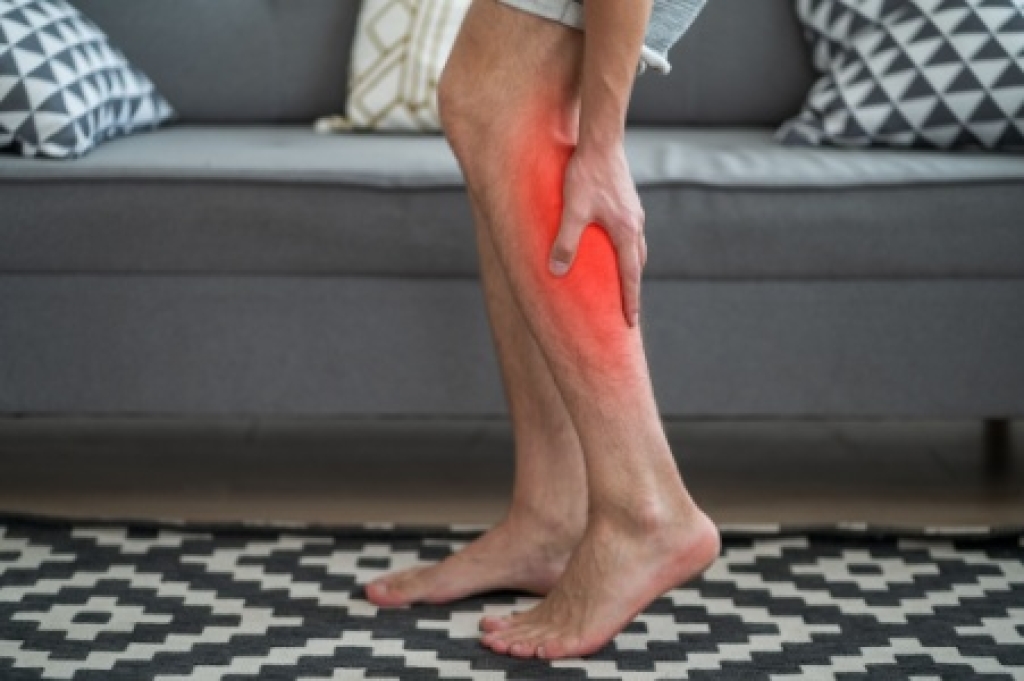
Muscle spasms are involuntary contractions that occur when muscle fibers tighten without conscious control. These episodes may be triggered by physical strain, fatigue, or nerve irritation that disrupts normal muscle signaling. Muscle cramps are a common type of spasm marked by sudden intense tightening that often improves with rest or gentle stretching. Contractures are different and involve a prolonged shortening of muscle or connective tissue that restricts movement and may become permanent if not addressed. Recognizing these distinctions helps guide accurate diagnosis and effective care. Common symptoms include localized pain stiffness and a firm or knotted feeling in the affected area. Cramps typically cause sharp discomfort that eases after the muscle relaxes, while contractures lead to persistent tightness and limited range of motion. Some individuals notice weakness, soreness or fatigue after repeated episodes which can reduce performance and daily function.
Risk factors include dehydration, electrolyte imbalance, poor conditioning, and repetitive strain on specific muscle groups. Sedentary habits, poor posture, and sudden increases in activity add stress to soft tissues. Nerve-related conditions, circulation issues, and aging can increase susceptibility by reducing muscle elasticity and recovery capacity.
Management focuses on hydration, balanced nutrition, and consistent stretching to maintain flexibility. Strengthening exercises support muscle stability and reduce recurrence. Attention to posture and body mechanics helps limit strain during daily tasks. Early evaluation supports recovery and prevents long term complications. Additional strategies include gradual warm-up routines, adequate rest between activities, and wearing proper footwear when engaging in exercise. Maintaining a consistent activity level helps prevent sudden overload on muscles and supports long-term tissue health and resilience. Regular checkups and early attention to warning signs can reduce the risk of recurrence and injury. If you have frequent muscle spasms, it is suggested that you consult a chiropractor for effective relief and management solutions.
Muscle Spasms
Muscle spasms, or involuntary muscle contractions, can cause sudden pain and tightness, often disrupting daily activities and causing significant discomfort. Spasms are typically triggered by muscle strain, dehydration, poor circulation, or nerve irritation and can occur in any muscle, although they are most common in the neck, back, and legs.
Chiropractic care for muscle spasms aims to relieve muscle tension, improve circulation, and restore the body’s natural balance. By performing gentle adjustments to the spine or other affected areas, chiropractors work to realign the body and reduce nerve interference that may be contributing to the spasms. This approach can help relieve the pressure on muscles, encouraging them to relax and reducing the frequency and intensity of future spasms.
In addition to adjustments, chiropractic care may include stretching exercises, massage, and lifestyle recommendations to prevent recurrence. These exercises are designed to strengthen and support the muscles, improving flexibility and reducing muscle strain.
Chiropractic care offers a holistic, drug-free approach to managing muscle spasms, emphasizing long-term relief and muscle health. By addressing both the immediate symptoms and underlying causes, chiropractic treatment helps people find lasting relief, promoting muscle relaxation and supporting overall well-being.
Will the treatment cause additional pain or discomfort?
Patients sometimes worry that chiropractic adjustments or muscle manipulation will aggravate their spasms. Chiropractors emphasize that treatments are generally gentle and designed to alleviate discomfort without causing additional pain.
Will I feel immediate relief after each adjustment, or does it build over time?
While some patients feel immediate relief after a session, long-term improvement usually develops gradually with consistent treatment. Muscle tension and spasms often respond best to cumulative care over several sessions.
If you have any questions please feel free to contact our office located in Corona, CA .
