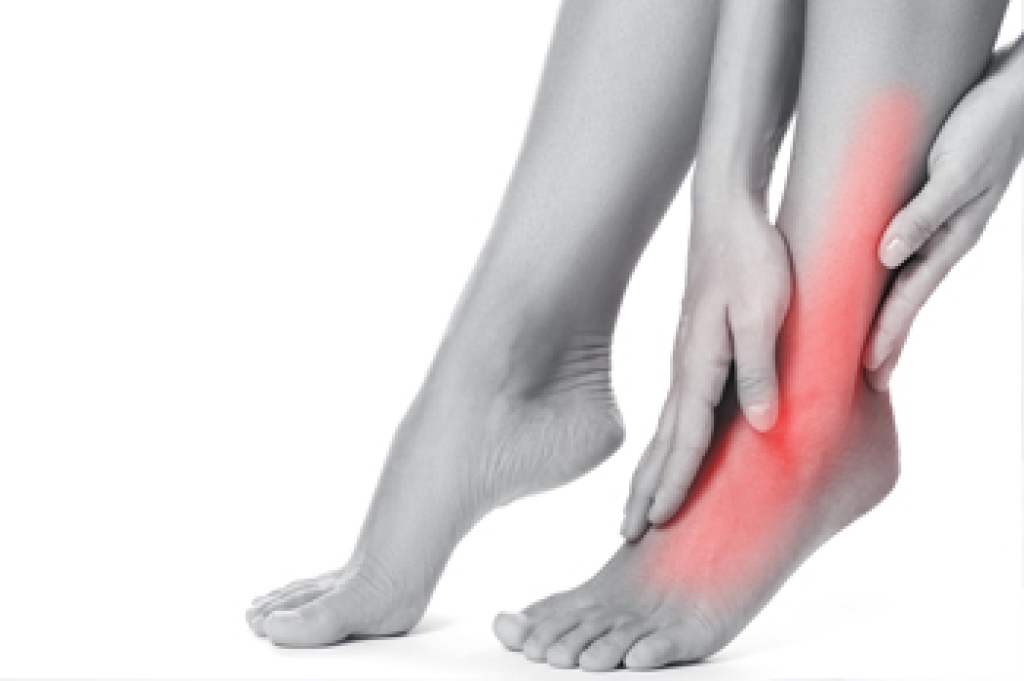
How Foot Pain Relates to the Spine

Foot pain can make standing, walking, and daily movement difficult. The foot contains many small bones, joints, ligaments, and muscles that work together to support body weight and allow smooth motion. Pain may develop when these parts become strained, irritated, or do not move well. Common causes include repeated stress from walking or standing for long periods of time, injury, poor joint movement, or changes in the structure of the foot, over time. When the joints of the foot do not move properly, nearby tissues and nerves may also become irritated. Symptoms may include aching or sharp pain in the heel, arch, or ball of the foot, swelling, stiffness, tenderness, or discomfort when putting weight on the foot. These problems can affect balance and normal movement. A chiropractor can help by examining the foot and related joints. Chiropractic adjustment and focused chiropractic treatment may improve joint motion and reduce irritation. If foot pain continues, it is suggested that you schedule an appointment with a chiropractor to discuss appropriate relief options. 

Foot pain is a common problem that can stem from various causes, such as overuse, injury, or conditions like plantar fasciitis and flat feet. It may present as sharp, aching, or throbbing sensations, often making daily activities like walking or standing uncomfortable. Poor alignment of the foot and ankle can lead to additional strain on surrounding muscles and joints, worsening the problem. Left untreated, foot pain can interfere with mobility and overall quality of life.
Chiropractors take a holistic approach to addressing foot pain. By assessing posture, gait, and foot structure, they can identify underlying imbalances contributing to discomfort. Treatment often includes gentle joint adjustments to restore proper alignment, soft tissue therapies to ease tension, and custom exercises to strengthen the affected area. Chiropractic care aims to resolve the root causes of foot pain and improve function naturally.

1. How does foot pain relate to issues in the back or hips?
Foot pain can often be a symptom of biomechanical issues higher up the kinetic chain, such as misalignments in the hips or lower back. Chiropractors assess these connections to treat the root cause.
2. Do chiropractors treat conditions like plantar fasciitis differently from podiatrists?
Chiropractors focus on whole-body alignment, addressing how foot pain may stem from or contribute to imbalances in the spine or posture, complementing podiatric approaches.
3. Can chiropractic care improve my walking or running gait?
Yes, by correcting misalignments and improving joint function, chiropractic care can enhance gait mechanics, reducing strain and preventing future foot pain.
If you have any questions please feel free to contact our office located in Corona, CA
 

Read more about Foot Pain

How Chiropractic Therapy May Help Ease Headache Pain

Headache pain can stem from muscle tension, joint restriction, nerve irritation, and pressure on surrounding blood vessels. Chiropractic therapy focuses on restoring proper spinal alignment to reduce stress on nerves and improve circulation. When joints move correctly, surrounding tissues function with less strain, which may decrease the frequency and intensity of headaches. Techniques such as soft tissue release, myofascial release, and trigger point therapy target tight muscles and areas of tension that contribute to discomfort. By relieving muscular pressure and improving mobility, a chiropractor supports natural healing and relaxation. Gentle adjustments, combined with targeted muscle therapy, can promote lasting relief and better overall function. If recurring headaches disrupt your daily life, it is suggested that you schedule a chiropractic consultation and begin your path toward clearer, more comfortable days.

Headaches are a widespread issue, often caused by stress, poor posture, or tension in the neck and shoulders. They can range from dull, persistent discomfort to sharp, debilitating pain, interfering with daily activities and reducing quality of life. Muscle tension and joint misalignments in the cervical spine are frequent contributors to headaches, particularly tension and neck-related headaches. Ignoring these issues can result in recurring or worsening symptoms.
Chiropractic care offers a non-invasive, drug-free solution for headache relief. Chiropractors assess spinal alignment and posture to identify factors contributing to the pain. Treatment may include precise spinal adjustments to reduce pressure on nerves, relax tight muscles, and improve mobility.
1. Are headaches ever caused by issues in the lower spine?
While less common, misalignments in the lower spine can create compensatory issues throughout the body, including tension in the neck and shoulders, which may contribute to headaches.
2. How does chiropractic care address sinus headaches?
Chiropractors can perform gentle adjustments and soft tissue work around the neck and upper back to improve drainage and reduce sinus pressure, providing relief from sinus-related headaches.
If you have any questions please feel free to contact our office located in Corona, CA
 

Read more about Headaches

Types of Muscle Spasms

A muscle spasm is an involuntary contraction of a muscle that can cause sudden discomfort or pain. Muscle fasciculation refers to small visible muscle twitches that usually do not cause movement. Myokymia involves continuous rippling or quivering of a muscle, often felt under the skin. Myotonia is a condition where muscles have difficulty relaxing after contraction, leading to stiffness. Muscle cramps are forceful and painful spasms that commonly occur with overuse, dehydration, or fatigue. These conditions may interfere with movement and daily comfort. A chiropractor can help by improving joint alignment, reducing muscle tension, enhancing circulation, and addressing underlying biomechanical stress. If you have frequent muscle spasms, it is suggested that you consult a chiropractor to restore function through appropriate treatment techniques.

Muscle Spasms

Muscle spasms, or involuntary muscle contractions, can cause sudden pain and tightness, often disrupting daily activities and causing significant discomfort. Spasms are typically triggered by muscle strain, dehydration, poor circulation, or nerve irritation and can occur in any muscle, although they are most common in the neck, back, and legs.

Chiropractic care for muscle spasms aims to relieve muscle tension, improve circulation, and restore the body’s natural balance. By performing gentle adjustments to the spine or other affected areas, chiropractors work to realign the body and reduce nerve interference that may be contributing to the spasms. This approach can help relieve the pressure on muscles, encouraging them to relax and reducing the frequency and intensity of future spasms.

In addition to adjustments, chiropractic care may include stretching exercises, massage, and lifestyle recommendations to prevent recurrence. These exercises are designed to strengthen and support the muscles, improving flexibility and reducing muscle strain.

Chiropractic care offers a holistic, drug-free approach to managing muscle spasms, emphasizing long-term relief and muscle health. By addressing both the immediate symptoms and underlying causes, chiropractic treatment helps people find lasting relief, promoting muscle relaxation and supporting overall well-being.

Will the treatment cause additional pain or discomfort?

 Patients sometimes worry that chiropractic adjustments or muscle manipulation will aggravate their spasms. Chiropractors emphasize that treatments are generally gentle and designed to alleviate discomfort without causing additional pain.


Will I feel immediate relief after each adjustment, or does it build over time?

While some patients feel immediate relief after a session, long-term improvement usually develops gradually with consistent treatment. Muscle tension and spasms often respond best to cumulative care over several sessions.

If you have any questions please feel free to contact our office located in Corona, CA

Read more about Muscle Spasms

Symptoms of a Pinched Nerve

A pinched nerve occurs when a nerve becomes compressed by surrounding bones, muscles or soft tissues, leading to irritation and disrupted nerve function. This compression can cause sharp, aching or burning pain, tingling sensations, numbness, and muscle weakness that may travel along the affected nerve pathway. Pinched nerves often develop due to poor posture, repetitive movements, inflammation, injury, or spinal misalignment that places added pressure on sensitive nerves. A chiropractor can help by identifying the source of compression, use gentle hands-on techniques to improve spinal alignment, reduce nerve pressure, and restore movement. If nerve pain or weakness is interfering with your daily activities, it is suggested that you consult a chiropractor who can provide effective relief and treatment solutions.

Pinched Nerve

A pinched nerve occurs when surrounding tissues, such as bones, muscles, or tendons, apply excessive pressure on a nerve. This condition can cause pain, numbness, tingling, or weakness, often in the neck, back, or limbs. Everyday activities, poor posture, or repetitive motions are common triggers. Left untreated, the condition may worsen, leading to chronic discomfort and reduced mobility.

Chiropractors use a hands-on approach to relieve the pressure that causes a pinched nerve. By performing gentle spinal adjustments, they create space for the nerve to function properly, alleviating discomfort. Chiropractic care may also include stretching exercises to improve flexibility and targeted muscle work to reduce surrounding tension. Patients often receive guidance on posture and activity modifications to prevent recurrence. This tailored approach focuses on restoring normal nerve function and improving overall quality of life.


1. Are pinched nerves only caused by spinal issues?
No, they can also result from tight muscles, inflammation, or repetitive strain. Chiropractors address both spinal and muscular causes.


2. How does a chiropractor determine the location of a pinched nerve?
Chiropractors use physical exams, mobility tests, and sometimes imaging studies like X-rays to pinpoint the source of nerve compression.


For additional information, please contact our office located in Corona, CA .

 

Read more about Pinched Nerve

Finding Natural Relief from Pickleball Elbow

Pickleball elbow is an overuse condition that develops from repetitive gripping and swinging motions. Common symptoms include burning pain along the outer elbow, sharp twinges during play or when gripping objects, and lingering soreness after activity. Many people also experience forearm muscle weakness, tension, and stiffness that can make daily tasks uncomfortable. Symptoms may worsen with continued play or poor technique. A chiropractor can help by assessing joint mechanics, reducing muscle tension, improving flexibility, and addressing movement patterns that contribute to strain. Care may also include soft tissue therapy and guidance on activity modification. If you have developed elbow pain from playing pickleball, it is suggested that you consult a chiropractor to naturally relieve symptoms, restore strength, and prevent ongoing injury.

Elbow pain can make even simple tasks challenging, often resulting from repetitive movements, strain, or injuries. Conditions like tennis elbow, golfer’s elbow, and nerve entrapment are common culprits, leading to inflammation and discomfort in the tendons or surrounding tissues. Whether caused by sports, work activities, or an accident, persistent elbow pain can hinder mobility and strength.

Symptoms may range from sharp pain and stiffness to numbness or a weakened grip, interfering with daily life. While pain relief methods like rest can help, they may not address the underlying problem.

Chiropractic care focuses on identifying and treating the source of elbow pain. Through gentle adjustments, soft tissue therapies, and targeted exercises, chiropractors relieve tension, improve joint function, and reduce inflammation. This holistic approach helps not only to ease pain but also to prevent future issues, ensuring long-term comfort and mobility.

1. How does spinal alignment affect elbow pain?

Misalignments in the spine can compress nerves that travel to the arm, leading to referred pain or tension in the elbow. Correcting alignment helps relieve this pressure and improve function.

2. How can chiropractic care help prevent recurring elbow injuries?

Chiropractors identify movement patterns or misalignments that contribute to strain and provide strategies to improve mechanics. This reduces the likelihood of reinjury.

If you have any questions please feel free to contact our office located in Corona, CA .



Read more about Elbow Pain
scroll to top