
Chiropractic Care for a Herniated Disc

A herniated disc can cause pain when one of the discs between the bones of the spine becomes damaged. These discs have a soft center surrounded by a tougher outer layer, and act as cushions between the bones. A herniated disc develops when part of the soft center pushes through a weakened or damaged area of the outer layer. The displaced material can irritate or place pressure on a nearby nerve. Symptoms can include pain, numbness, and tingling. Some patients also experience muscle weakness in an arm or leg. A herniated disc can occur in the lower back or neck. Symptoms depend on the location of the affected disc and whether a nearby nerve is involved.

A chiropractor can evaluate symptoms related to a herniated disc by examining the spine and areas where discomfort occurs. An examination can include checking range of motion, muscle strength, and sensation. The chiropractor can also ask which movements or positions increase the patient's symptoms. Chiropractic care can focus on improving movement and reducing stress around the affected area. Gentle adjustments can help improve motion in joints that are stiff or restricted. A chiropractor can also use specific techniques that gently stretch or move the spine. Treatment can include targeted exercises designed to support the muscles around the spine and improve flexibility.

A herniated disc does not always produce symptoms, and the severity of discomfort can vary among patients. When a nerve is irritated, pain can travel from the lower back into the buttock or leg. A herniated disc in the neck can cause symptoms that extend into the shoulder or arm. A chiropractor can use the examination findings to develop a treatment plan based on the location and severity of the symptoms. Care can be adjusted according to the patient's progress and response to treatment. The goal is to reduce discomfort, improve movement, and support better function during everyday activities. If you have symptoms of a herniated disc, it is suggested that you schedule an appointment with a chiropractor for a diagnosis and appropriate treatment.

Bulging and herniated discs are common spinal conditions that can lead to persistent pain, discomfort, and limited mobility. A disc bulge occurs when the outer layer of the spinal disc begins to protrude, while a herniated disc involves a rupture that allows the inner gel-like core to seep out. Both conditions often compress nearby nerves, resulting in pain, tingling, numbness, and muscle weakness that can affect the back, legs, and even arms.
From a chiropractic perspective, addressing disc bulges and herniations focuses on reducing pressure on the spinal nerves and restoring proper spinal alignment. Chiropractors employ gentle, targeted adjustments designed to alleviate nerve compression and improve spinal mechanics. By correcting misalignments, chiropractic care can help reduce inflammation, enhance blood flow, and promote natural healing processes. This holistic approach aims to relieve pain without invasive procedures or medication.
For many patients, complementary therapies like spinal decompression, therapeutic exercises, and lifestyle guidance support long-term relief and function. Chiropractic care offers a non-surgical, drug-free path to managing disc issues, focusing on enhancing overall spinal health and reducing the likelihood of recurring symptoms. Each treatment plan is tailored to the patient’s specific needs and goals, ensuring an effective, individualized approach.
1.     Is chiropractic treatment safe for herniated discs?
Generally, chiropractic care is safe for herniated discs when performed by a licensed professional who assesses the condition carefully. Mild adjustments or specific techniques are often used to avoid further injury.
2.     How long does it take to see improvement?
Improvement times vary, but many patients notice reduced pain and better mobility within a few weeks of consistent chiropractic care, depending on the disc’s severity and other factors.
If you have any questions please feel free to contact our office located in Corona, CA . 
 

Read more about Bulging and Herniated Discs

Spinal Screenings and Chiropractic Care

Spinal screenings are a simple way to evaluate how your spine and musculoskeletal system are functioning. As part of chiropractic care, a spinal screening may help identify changes in posture, movement, or mobility that could contribute to discomfort. Screenings can be useful for people who have pain as well as those who want to become more aware of their spinal health.

During a spinal screening, a chiropractor may review your health history and observe how you stand, walk, bend, or move. The examination may include checking spinal movement, posture, and areas of tenderness or restricted motion. These findings can provide useful information about your current condition. A screening does not replace a complete diagnostic evaluation, but it can help determine whether further assessment may be appropriate.

Spinal screenings may be especially helpful when you notice recurring back or neck discomfort, stiffness, changes in posture, or difficulty with certain movements. They can also provide an opportunity to discuss workplace habits, exercise routines, and other activities that may affect your spine. 

Taking an active approach to spinal health can help you better understand how your body moves and what may be contributing to discomfort. Chiropractic care may include adjustments, exercise recommendations, or other services based on your individual needs. If you have concerns about your spine, posture, or movement, please call our office today to schedule a spinal screening. Our team can answer your questions and help you take the next step toward understanding your spinal health.

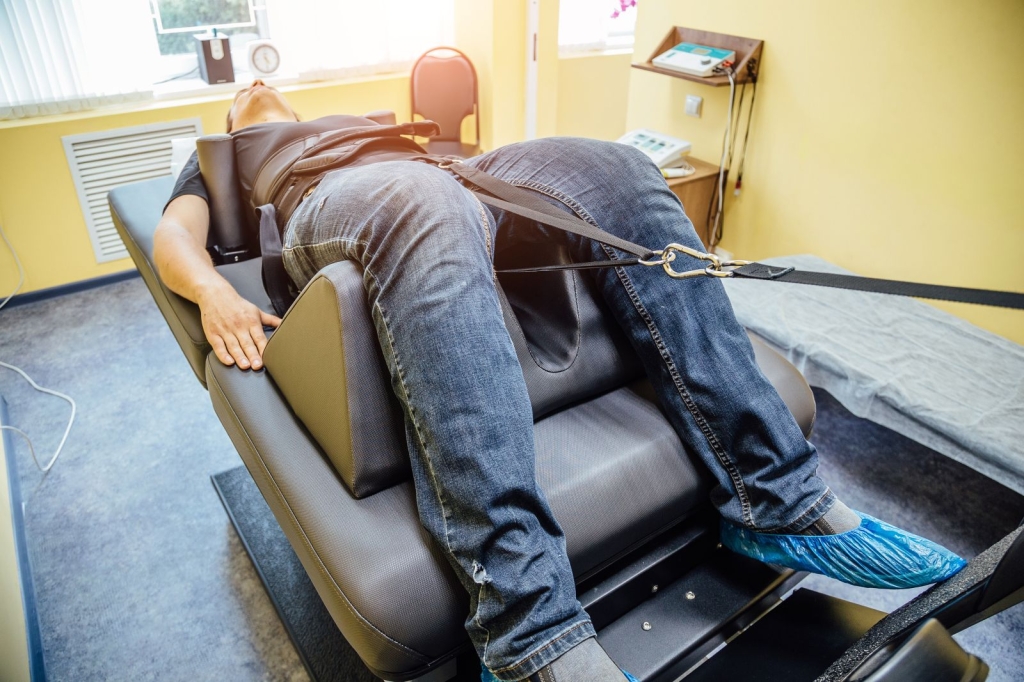
Spinal decompression therapy is a gentle, non-surgical treatment designed to relieve pressure on the spine and support natural healing. At our clinic, we use advanced decompression techniques to help patients experiencing chronic back pain, neck discomfort, herniated discs, or nerve-related symptoms find meaningful relief without invasive procedures.
This therapy works by carefully stretching the spine in a controlled manner, creating space between the vertebrae. This process reduces pressure on compressed discs and nerves while encouraging improved circulation of oxygen, water, and nutrients to the affected areas. As a result, the body is better able to repair damaged tissue and restore proper spinal function.
Patients often seek spinal decompression when dealing with conditions such as sciatica, degenerative disc disease, bulging or herniated discs, and persistent stiffness that has not responded to other treatments. Each session is tailored to the individual, ensuring comfort while targeting the root cause of discomfort rather than just masking symptoms.
During your visit, our team will perform a thorough evaluation to determine if spinal decompression is the right approach for your needs. Treatments are typically relaxing, and many patients report gradual improvement in pain levels, mobility, and overall quality of life over the course of care.
Our goal is to help you move more freely, feel more comfortable, and return to the activities you enjoy. By addressing spinal alignment and reducing nerve irritation, spinal decompression offers a safe and effective pathway toward long-term wellness.
If you are ready to explore a non-invasive solution for back or neck pain, contact our office today to schedule your consultation and take the first step toward lasting relief.
If you have any questions please feel free to contact our office located in Corona, CA . Call us to learn more about spinal decompression.

Read more about Spinal Decompression: A Non-Surgical Approach to Back Pain Relief

Neck Pain and Chiropractic Care

Neck pain is a common musculoskeletal disorder that can affect muscles, joints, and other tissues supporting the cervical spine. It may develop from poor posture, repetitive movements, or prolonged time at a desk. Common symptoms include aching, stiffness, and pain that travels into the shoulders or upper back. Some people notice tenderness or muscle tightness that becomes worse with activity. Understanding the cause of neck pain can help guide appropriate care and prevent symptoms from becoming persistent.

Risk factors include poor ergonomics, repetitive strain, and prolonged screen use. Long-term stress can also contribute because ongoing tension may cause the neck and shoulder muscles to remain contracted. Anxiety and depression may increase muscle tension and can influence how the body experiences pain. Poor sleep may further affect recovery. Neck pain can also result from whiplash, arthritis, or changes involving spinal joints and discs. A careful evaluation is important when symptoms continue or worsen with daily activities.


Chiropractic care can provide a personalized approach to neck pain treatment. A chiropractor may review your symptoms and medical history. Checking posture and spinal alignment is also done before developing a care plan. Treatment can range from gentle spinal adjustments to ergonomic guidance. The goal is to reduce discomfort, improve movement, and support healthier function. A chiropractor may also recommend changes that reduce strain during work or daily activities. Unlike foot and ankle conditions treated by a podiatrist, neck pain is evaluated and managed by appropriate musculoskeletal providers.


A chiropractor can identify contributing factors and explain treatment options based on your needs. Early attention may help prevent recurring discomfort and support better movement. If you have neck pain, it is suggested that you consult a chiropractor for an accurate diagnosis and effective relief and management solutions.

Neck pain is a prevalent issue affecting countless individuals, resulting in discomfort, reduced mobility, and difficulty in performing daily tasks. Persistent neck pain can significantly diminish one's quality of life, making it essential to find effective management strategies. Chiropractic care offers a safe, non-invasive approach designed to relieve pain, restore movement, and improve overall neck function.
Chiropractors utilize gentle, targeted spinal adjustments aimed at correcting misalignments and enhancing neck flexibility. By properly aligning the vertebrae and reducing tension in the surrounding muscles, chiropractic adjustments help alleviate pressure and reduce inflammation, providing relief from pain and stiffness. Improved spinal alignment also supports optimal nerve function, potentially reducing discomfort and promoting better posture.
In addition to spinal adjustments, chiropractors typically recommend tailored exercises and stretches designed to strengthen the neck and upper back muscles, improving posture and reducing strain. Chiropractors may also provide guidance on lifestyle modifications, including ergonomic workplace adjustments and sleep positioning, to further support long-term neck health.

If you have any questions please feel free to contact our office located in Corona, CA . 

 

Read more about Neck Pain

Stop Mid-Back Pain

Mid-back pain is often caused by poor posture, muscle strain, or issues with the thoracic spine. It can make breathing, twisting, or lifting uncomfortable, interfering with daily life. Non-invasive and drug-free care can help ease pain and improve function.

Contact us today for effective mid-back pain treatment.

How Stress Affects the Body

Stress is a physical and emotional response that occurs when the body reacts to pressure or challenging situations. It can affect both the mind and body in noticeable ways. Many people experience changes in mood such as irritability, anxiety, or difficulty concentrating. Physical symptoms may include chest discomfort, muscle tension, headaches, and problems with digestion such as stomach pain or irregular bowel habits. Stress can develop from work demands, personal challenges, or ongoing tension, and it may build gradually over time. Risk factors include lack of rest, high responsibility, and prolonged mental strain. A chiropractor can assess how tension affects the spine and muscles, and provide care to improve balance and reduce physical strain. It is strongly suggested that if you have symptoms of stress, please visit a chiropractor to discuss appropriate solutions.

Experiencing ongoing stress and low energy can wear down both body and mind, making even routine tasks feel overwhelming. The body’s stress response, designed for short bursts of activity, can exhaust physical and mental reserves when constantly activated, leaving a feeling of fatigue and burnout.

Chiropractic care offers a supportive way to manage these challenges by focusing on the body's alignment and nervous system function. Misalignment in the spine can increase tension, disrupting nerve signals and possibly contributing to feelings of low energy. Gentle adjustments can help relieve this tension, supporting better nervous system communication, which may encourage relaxation and boost energy levels.
Incorporating chiropractic care into a wellness routine can offer a holistic approach to managing stress and low energy, emphasizing balance, relaxation, and overall vitality for a more energized and resilient life.
1.  How does stress affect the spine, and how can chiropractic care help?
Stress often leads to muscle tension and poor posture, which strain the spine. Chiropractic adjustments relieve this tension and promote better alignment.
2.  How does chiropractic care improve sleep for better energy levels?
Adjustments relieve pain and tension, making it easier to fall asleep and stay asleep. Better rest directly boosts energy and resilience to stress.
If you have any questions please feel free to contact our office located in Corona, CA .

 

Read more about Stress and Low Energy
scroll to top