Spinal Screenings and Chiropractic Care

Spinal screenings are a simple way to evaluate how your spine and musculoskeletal system are functioning. As part of chiropractic care, a spinal screening may help identify changes in posture, movement, or mobility that could contribute to discomfort. Screenings can be useful for people who have pain as well as those who want to become more aware of their spinal health.

During a spinal screening, a chiropractor may review your health history and observe how you stand, walk, bend, or move. The examination may include checking spinal movement, posture, and areas of tenderness or restricted motion. These findings can provide useful information about your current condition. A screening does not replace a complete diagnostic evaluation, but it can help determine whether further assessment may be appropriate.

Spinal screenings may be especially helpful when you notice recurring back or neck discomfort, stiffness, changes in posture, or difficulty with certain movements. They can also provide an opportunity to discuss workplace habits, exercise routines, and other activities that may affect your spine. 

Taking an active approach to spinal health can help you better understand how your body moves and what may be contributing to discomfort. Chiropractic care may include adjustments, exercise recommendations, or other services based on your individual needs. If you have concerns about your spine, posture, or movement, please call our office today to schedule a spinal screening. Our team can answer your questions and help you take the next step toward understanding your spinal health.

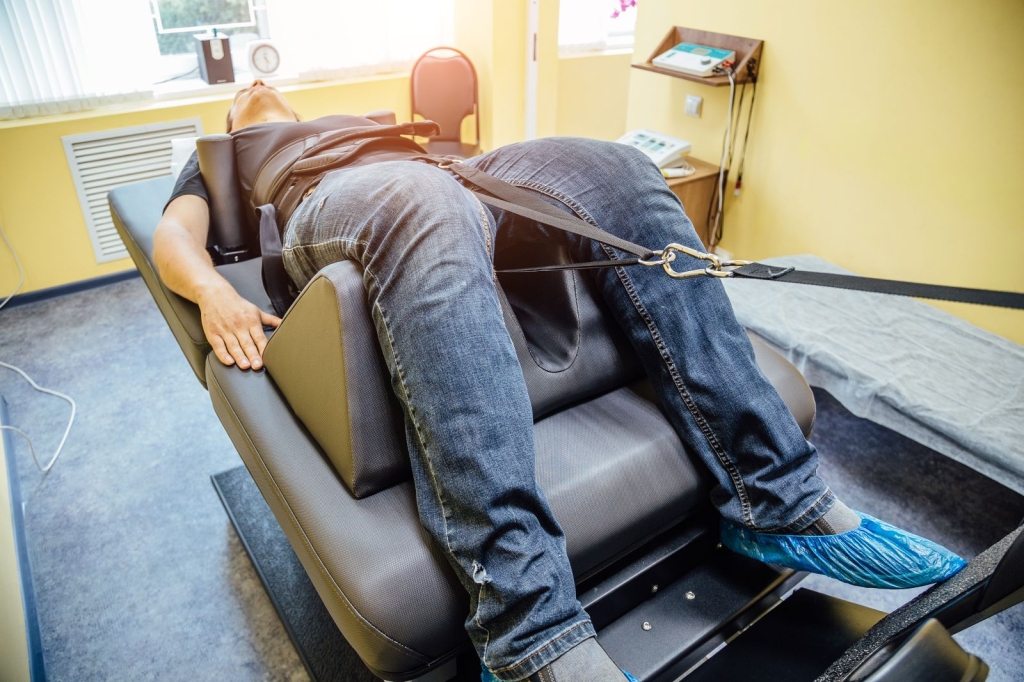
Spinal decompression therapy is a gentle, non-surgical treatment designed to relieve pressure on the spine and support natural healing. At our clinic, we use advanced decompression techniques to help patients experiencing chronic back pain, neck discomfort, herniated discs, or nerve-related symptoms find meaningful relief without invasive procedures.
This therapy works by carefully stretching the spine in a controlled manner, creating space between the vertebrae. This process reduces pressure on compressed discs and nerves while encouraging improved circulation of oxygen, water, and nutrients to the affected areas. As a result, the body is better able to repair damaged tissue and restore proper spinal function.
Patients often seek spinal decompression when dealing with conditions such as sciatica, degenerative disc disease, bulging or herniated discs, and persistent stiffness that has not responded to other treatments. Each session is tailored to the individual, ensuring comfort while targeting the root cause of discomfort rather than just masking symptoms.
During your visit, our team will perform a thorough evaluation to determine if spinal decompression is the right approach for your needs. Treatments are typically relaxing, and many patients report gradual improvement in pain levels, mobility, and overall quality of life over the course of care.
Our goal is to help you move more freely, feel more comfortable, and return to the activities you enjoy. By addressing spinal alignment and reducing nerve irritation, spinal decompression offers a safe and effective pathway toward long-term wellness.
If you are ready to explore a non-invasive solution for back or neck pain, contact our office today to schedule your consultation and take the first step toward lasting relief.
If you have any questions please feel free to contact our office located in Corona, CA . Call us to learn more about spinal decompression.


Read more about Spinal Decompression: A Non-Surgical Approach to Back Pain Relief

Neck Pain and Chiropractic Care

Neck pain is a common musculoskeletal disorder that can affect muscles, joints, and other tissues supporting the cervical spine. It may develop from poor posture, repetitive movements, or prolonged time at a desk. Common symptoms include aching, stiffness, and pain that travels into the shoulders or upper back. Some people notice tenderness or muscle tightness that becomes worse with activity. Understanding the cause of neck pain can help guide appropriate care and prevent symptoms from becoming persistent.

Risk factors include poor ergonomics, repetitive strain, and prolonged screen use. Long-term stress can also contribute because ongoing tension may cause the neck and shoulder muscles to remain contracted. Anxiety and depression may increase muscle tension and can influence how the body experiences pain. Poor sleep may further affect recovery. Neck pain can also result from whiplash, arthritis, or changes involving spinal joints and discs. A careful evaluation is important when symptoms continue or worsen with daily activities.


Chiropractic care can provide a personalized approach to neck pain treatment. A chiropractor may review your symptoms and medical history. Checking posture and spinal alignment is also done before developing a care plan. Treatment can range from gentle spinal adjustments to ergonomic guidance. The goal is to reduce discomfort, improve movement, and support healthier function. A chiropractor may also recommend changes that reduce strain during work or daily activities. Unlike foot and ankle conditions treated by a podiatrist, neck pain is evaluated and managed by appropriate musculoskeletal providers.


A chiropractor can identify contributing factors and explain treatment options based on your needs. Early attention may help prevent recurring discomfort and support better movement. If you have neck pain, it is suggested that you consult a chiropractor for an accurate diagnosis and effective relief and management solutions.

Neck pain is a prevalent issue affecting countless individuals, resulting in discomfort, reduced mobility, and difficulty in performing daily tasks. Persistent neck pain can significantly diminish one's quality of life, making it essential to find effective management strategies. Chiropractic care offers a safe, non-invasive approach designed to relieve pain, restore movement, and improve overall neck function.
Chiropractors utilize gentle, targeted spinal adjustments aimed at correcting misalignments and enhancing neck flexibility. By properly aligning the vertebrae and reducing tension in the surrounding muscles, chiropractic adjustments help alleviate pressure and reduce inflammation, providing relief from pain and stiffness. Improved spinal alignment also supports optimal nerve function, potentially reducing discomfort and promoting better posture.
In addition to spinal adjustments, chiropractors typically recommend tailored exercises and stretches designed to strengthen the neck and upper back muscles, improving posture and reducing strain. Chiropractors may also provide guidance on lifestyle modifications, including ergonomic workplace adjustments and sleep positioning, to further support long-term neck health.

If you have any questions please feel free to contact our office located in Corona, CA . 


Read more about Neck Pain

Stop Mid-Back Pain

Mid-back pain is often caused by poor posture, muscle strain, or issues with the thoracic spine. It can make breathing, twisting, or lifting uncomfortable, interfering with daily life. Non-invasive and drug-free care can help ease pain and improve function.

Contact us today for effective mid-back pain treatment.

How Stress Affects the Body

Stress is a physical and emotional response that occurs when the body reacts to pressure or challenging situations. It can affect both the mind and body in noticeable ways. Many people experience changes in mood such as irritability, anxiety, or difficulty concentrating. Physical symptoms may include chest discomfort, muscle tension, headaches, and problems with digestion such as stomach pain or irregular bowel habits. Stress can develop from work demands, personal challenges, or ongoing tension, and it may build gradually over time. Risk factors include lack of rest, high responsibility, and prolonged mental strain. A chiropractor can assess how tension affects the spine and muscles, and provide care to improve balance and reduce physical strain. It is strongly suggested that if you have symptoms of stress, please visit a chiropractor to discuss appropriate solutions.

Experiencing ongoing stress and low energy can wear down both body and mind, making even routine tasks feel overwhelming. The body’s stress response, designed for short bursts of activity, can exhaust physical and mental reserves when constantly activated, leaving a feeling of fatigue and burnout.

Chiropractic care offers a supportive way to manage these challenges by focusing on the body's alignment and nervous system function. Misalignment in the spine can increase tension, disrupting nerve signals and possibly contributing to feelings of low energy. Gentle adjustments can help relieve this tension, supporting better nervous system communication, which may encourage relaxation and boost energy levels.
Incorporating chiropractic care into a wellness routine can offer a holistic approach to managing stress and low energy, emphasizing balance, relaxation, and overall vitality for a more energized and resilient life.
1.  How does stress affect the spine, and how can chiropractic care help?
Stress often leads to muscle tension and poor posture, which strain the spine. Chiropractic adjustments relieve this tension and promote better alignment.
2.  How does chiropractic care improve sleep for better energy levels?
Adjustments relieve pain and tension, making it easier to fall asleep and stay asleep. Better rest directly boosts energy and resilience to stress.
If you have any questions please feel free to contact our office located in Corona, CA .
 

Read more about Stress and Low Energy

Causes and Severity Levels of Ankle Sprains Explained

Ankle sprains are a common source of joint pain and occur when the ligaments that support and stabilize the ankle are stretched beyond their normal limits. These ligaments help maintain proper alignment during movement, but sudden twists or awkward landings can cause them to overstretch or tear. This type of injury is especially common during sports and physical activity. It is important to understand that a sprain involves ligament damage, while a strain affects muscles or tendons, and this distinction helps guide accurate diagnosis and care.

Symptoms of an ankle sprain often include swelling, bruising, and pain that worsens with movement or weight bearing. Many individuals experience stiffness and a reduced range of motion, making walking difficult. A popping sensation at the time of injury may indicate ligament involvement. In comparison, a strain may lead to muscle tightness, spasms, and decreased strength. Both conditions can limit mobility and should be evaluated to prevent further complications.

Ankle sprains are commonly classified into three levels of severity. A mild injury involves slight stretching of the ligament with minimal swelling and discomfort. A moderate injury includes partial tearing, which may cause visible swelling and reduced joint stability. A severe injury involves a complete tear and often results in significant pain, instability, and difficulty bearing weight. Identifying the severity of the injury allows for a more targeted and effective treatment plan.

Several risk factors increase the chance of ankle sprains, including walking on uneven surfaces, poor balance, inadequate warm up, and wearing shoes that do not provide proper support. Individuals with previous ankle injuries may also be more prone to repeat injuries. Chiropractic care focuses on restoring alignment and improving joint function to support healing. Strengthening and balance exercises can also reduce future risk. If you have ankle pain, it is suggested that you seek care from a chiropractor to explore appropriate treatment solutions.

Ankle pain is a common problem that can significantly disrupt daily life, often stemming from injuries, overuse, or underlying conditions like arthritis. Sprains, where ligaments are overstretched or torn, are among the most frequent causes, leading to swelling, stiffness, and difficulty bearing weight. Overuse injuries such as tendonitis, caused by repetitive strain, can create persistent discomfort, while misalignment in the joint or biomechanical imbalances in the foot or leg may contribute to chronic pain.
If left untreated, these issues can lead to improper healing, reduced mobility, and a higher risk of re-injury.
Addressing the underlying cause is critical for restoring function and preventing long-term complications. Chiropractic care offers a natural approach to managing ankle pain, focusing on improving alignment, mobility, and overall function while supporting recovery through targeted therapies and exercises.
1. Will chiropractic treatment for ankle pain hurt?
Chiropractic treatments are designed to be gentle and tailored to each patient's comfort level. Adjustments and therapies are performed carefully to avoid causing pain, even in sensitive or swollen areas. Most patients report feeling relief and improved mobility after treatment, although some individuals may experience mild soreness, similar to the feeling after a workout, as the body adjusts.

2. How long does it take to see results from chiropractic care for ankle pain?
The timeline for improvement varies depending on the severity and cause of the pain. Some patients experience relief after just a few sessions, while chronic or complex cases may take longer to resolve.

If you have any questions, please feel free to contact our office located in Corona, CA . 

Read more about Ankle Pain
scroll to top